
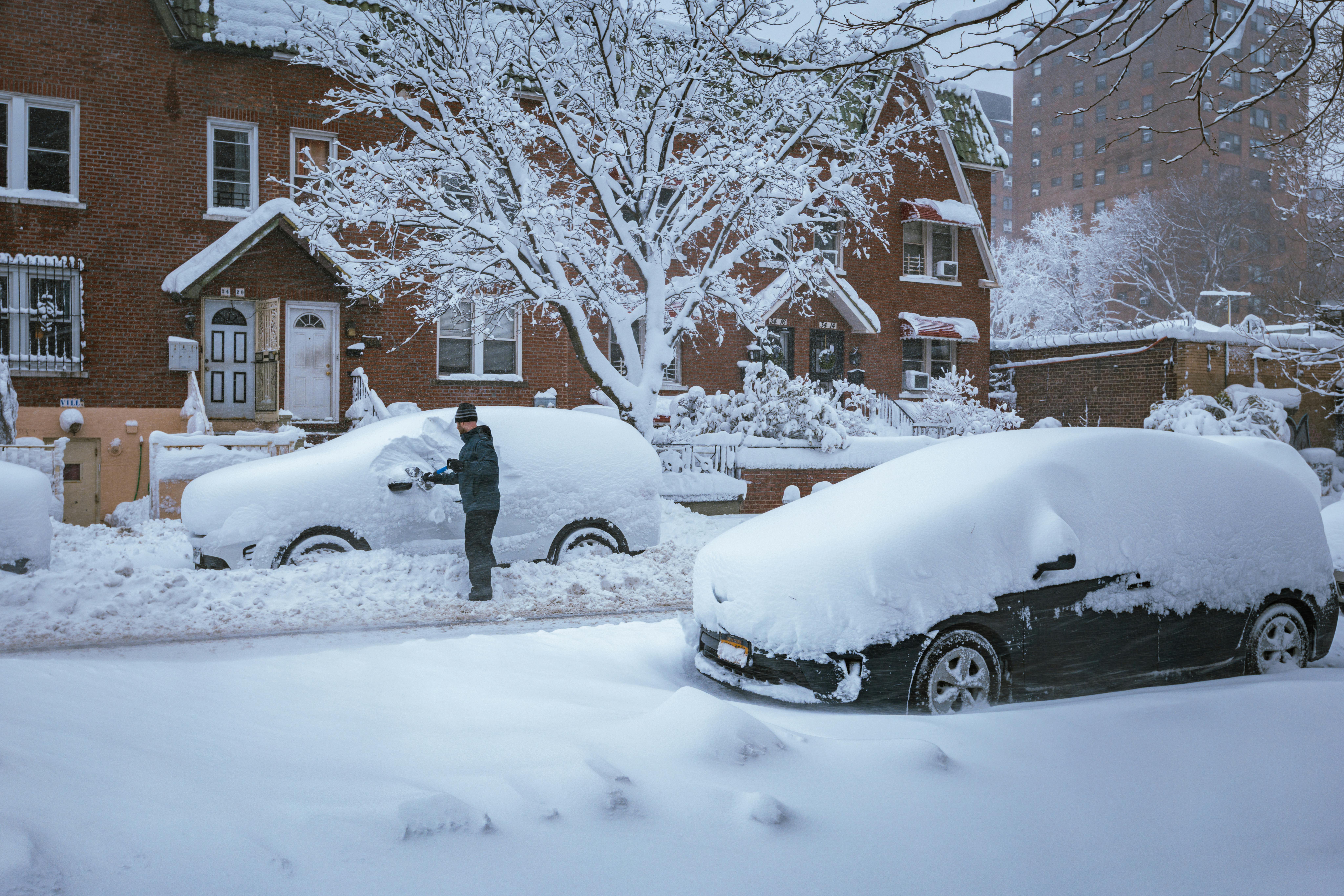
The word blizzard is used loosely for any large snowstorm, but it has an operational definition that omits the thing most people assume is central. Snowfall amount is not a criterion at all.
What the criteria actually require
A blizzard requires sustained wind or frequent gusts above a defined threshold, together with falling or blowing snow that reduces visibility below a stated distance.
Those conditions must persist for a defined period rather than occurring briefly, which excludes short bursts during an otherwise ordinary storm.
No snowfall total appears anywhere in the definition, so a storm producing modest new snow over open ground can qualify while a heavier, calmer storm does not.
Why blowing snow counts
Snow already on the ground can be lifted and carried by wind, and once airborne it reduces visibility exactly as falling snow does.
Loose dry snow from a recent fall is easily mobilized, so a clear cold day following a snowstorm can produce blizzard conditions with no precipitation occurring.
This is why open plains and prairie regions record blizzards more often than places with heavier seasonal snowfall but more sheltering terrain.
Why visibility is the operative hazard
Deep snow is a mobility problem that can be solved slowly with equipment, and it rarely threatens life directly.
Near-zero visibility is an immediate hazard, because a driver cannot see the road or other vehicles and a person on foot loses all orientation within a short distance.
Fatalities in blizzards occur disproportionately in vehicles and outdoors between buildings, which is a visibility and exposure failure rather than an accumulation one.
How wind changes the cold exposure
Moving air removes the thin layer of warmed air next to skin and clothing, accelerating heat loss well beyond what the temperature alone implies.
The combination of that heat loss with wet clothing from blowing snow shortens safe exposure time considerably.
Anyone showing signs of hypothermia or frostbite needs medical assessment, since the outward signs understate the internal condition.
Why the warning wording is specific
A blizzard warning conveys a travel hazard rather than an accumulation forecast, and its practical message is to stay off the roads for the duration.
Separate winter storm warnings and advisories cover heavy accumulation, ice and lesser conditions, and they can be issued for the same event.
Reading the product name rather than the headline snow total is the difference between preparing for shoveling and preparing to be stranded.