
Space weather is graded on scales built for the systems it disrupts rather than for the physics that produced it. Each scale describes a different kind of effect.
Three separate scales cover three separate hazards
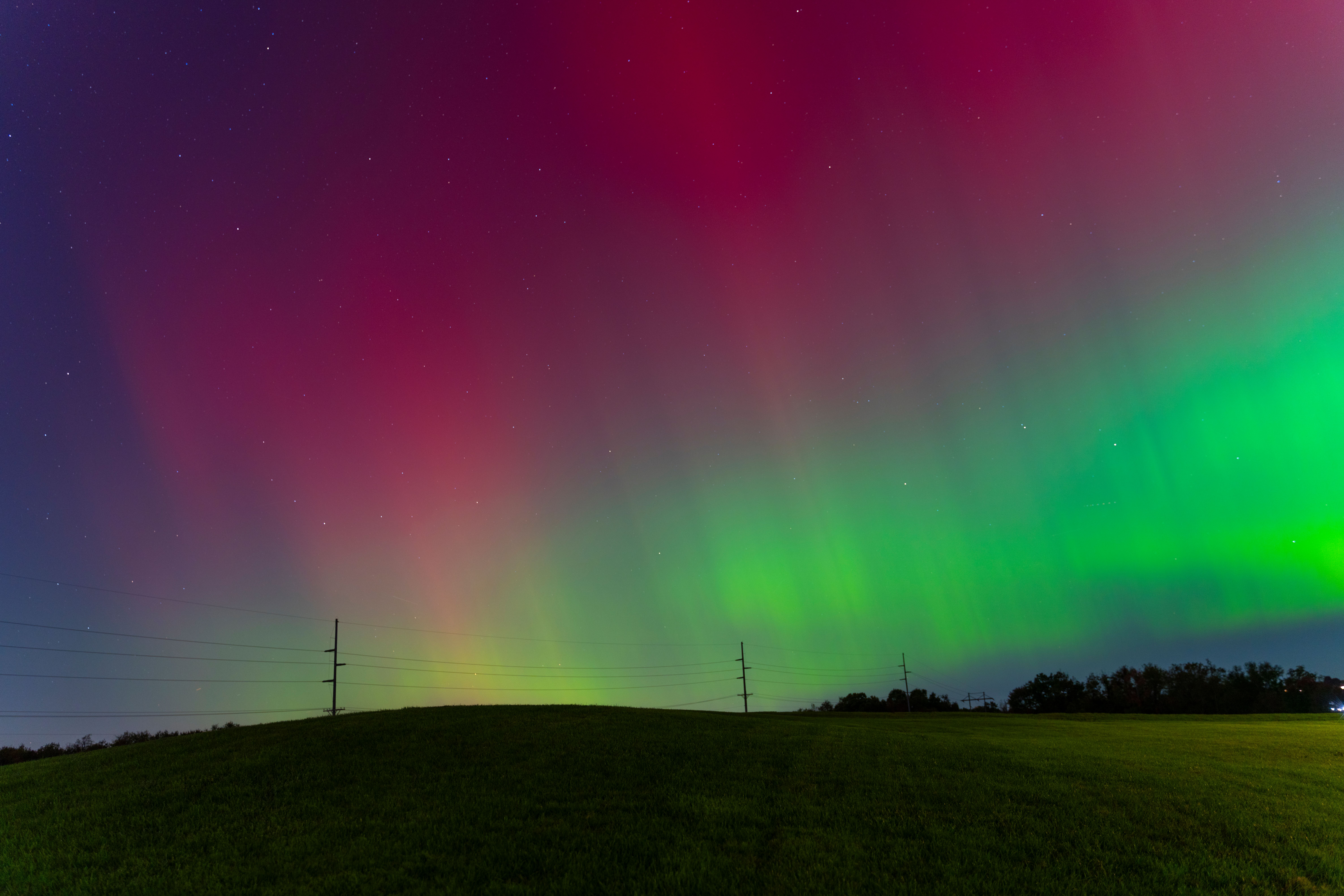
Geomagnetic storms describe disturbances of Earth's magnetic field, and they are the events that affect power grids, pipelines and the visibility of the aurora.
Solar radiation storms describe energetic particles arriving from the Sun, which threaten satellite electronics and raise exposure concerns for aircraft on polar routes.
Radio blackouts describe the effect of solar flare emissions on the ionosphere, which degrades high frequency radio communication on the sunlit side of the planet.
Each scale runs through defined tiers
The tiers run from minor through moderate, strong and severe to extreme, with each step corresponding to a defined range of a measured physical quantity.
The geomagnetic scale is anchored to indices derived from magnetometer stations that record how much the local magnetic field has been disturbed.
Because the tiers are tied to measurements rather than to impressions, an event can be compared directly with historical storms measured the same way.
The tiers describe expected effects, not just size
Each level is published alongside a description of what operators can expect, from minor grid fluctuations at the low end to transformer stress at the top.
That framing is deliberate, since the audience for the scale is largely engineers and operators who need to know whether to change procedures.
Frequency estimates accompany the tiers as well, indicating roughly how often each level occurs across a solar cycle, which sets expectations for planning.
Warning times differ sharply between the three
Radio blackouts arrive with the flare's light, meaning the effect begins essentially as the event is observed, leaving no lead time at all.
Radiation storms follow within a shorter interval, as energetic particles travel fast but still take time to reach the vicinity of Earth.
Geomagnetic storms require a coronal mass ejection to cross the distance from the Sun, which is why those receive the most usable advance warning.
Alerts, watches and warnings mirror terrestrial practice
A watch is issued when conditions favor a storm in the coming days, typically after an eruption has been observed heading toward Earth.
A warning indicates that a storm is expected imminently, while an alert states that observed thresholds have actually been crossed.
The parallel with severe weather terminology is intentional, since the operators receiving these products are already trained on that vocabulary.