
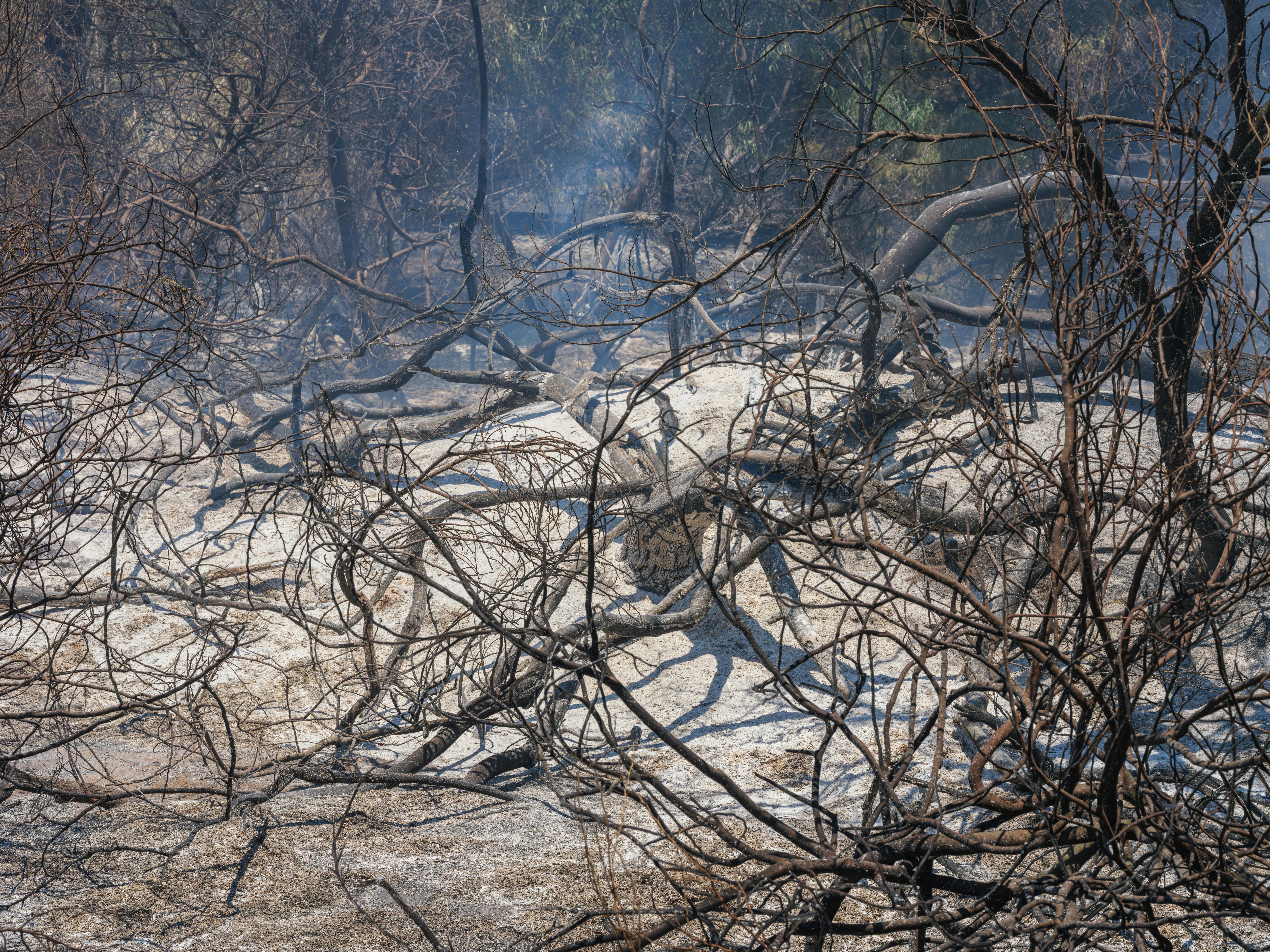
The sun isn't just shining; it's searing. The air isn't just warm; it's a suffocating blanket. Across America, the ground beneath our feet is cracking, the rivers are shrinking to trickles, and the very sky seems to be holding its breath. This isn't a distant threat; it's happening right now, scorching our landscapes, emptying our wallets, and pushing human endurance to its absolute limit. Are you ready for a future where every drop counts and every degree matters?
🔥 What's Happening Right Now
From the parched fields of California to the sweltering concrete jungles of the East Coast, an unprecedented confluence of record-shattering heatwaves and relentless drought is gripping the United States. This isn't just "a hot summer"; it's a profound, systemic shift that is redefining our relationship with the environment and exposing the vulnerabilities in our infrastructure, our economy, and our daily lives. The thermometer is not just climbing; it's breaking historical records with alarming regularity, turning once-lush regions into tinderboxes and vital waterways into dusty memories.
The American Southwest, a region historically accustomed to arid conditions, is experiencing a "megadrought" of a magnitude not seen in over 1,200 years. Major reservoirs like Lake Mead and Lake Powell, critical water sources for millions and vast agricultural operations, are at historically low levels, revealing ghostly towns and forgotten canyons. The implications are terrifyingly real: mandatory water restrictions are becoming the norm, threatening everything from residential lawns to the very existence of certain crops. Further north, the Pacific Northwest, typically known for its temperate climate, has been hit by "heat domes" that have pushed temperatures well into triple digits, leading to tragic fatalities and overwhelming emergency services.
But the crisis isn't confined to the West. The Midwest, often considered the breadbasket of the nation, is battling severe drought conditions that are decimating corn, soybean, and wheat yields, sending ripples of concern through global food markets. Farmers are watching their livelihoods shrivel, forced to make agonizing decisions about irrigation, livestock, and crop abandonment. The Southeast and Northeast, while experiencing periods of intense rainfall, are also seeing their share of extreme heat, stressing power grids as air conditioning units work overtime, and creating dangerous conditions for outdoor workers and vulnerable populations.
Wildfires, once a seasonal concern, are now an almost year-round menace, fueled by bone-dry vegetation and shifting weather patterns. Thousands of acres are burning, spewing smoke that blankets cities hundreds of miles away, causing respiratory problems and degrading air quality to hazardous levels. These fires don't just destroy homes and forests; they impact crucial ecosystems, contribute to further soil erosion, and release massive amounts of carbon into the atmosphere, perpetuating a dangerous feedback loop.
The human cost is immeasurable. Heat-related illnesses and deaths are soaring, particularly among the elderly, young children, and outdoor laborers. Emergency rooms are seeing an influx of heatstroke and dehydration cases. Our infrastructure, designed for a different climate, is buckling. Roads are warping, railway lines are expanding, and power grids are struggling to meet unprecedented demand, leading to brownouts and blackouts. This isn't a distant threat; it's the immediate, visceral reality facing communities across the United States, forcing us to confront a future that arrived sooner than anticipated.
💡 Financial Impact
The "Scorched Earth" phenomenon isn't just an environmental crisis; it's an economic earthquake reverberating through every sector of the U.S. economy, impacting everything from your grocery bill to your home insurance premiums. The financial fallout is staggering, measured in billions of dollars in losses, increased costs, and depreciating assets. Understanding these impacts isn't just about fear; it's about identifying where the economic pressures are mounting and, crucially, where new opportunities for resilience and investment are emerging.
Agriculture: The Billions Lost in the Fields. The most immediate and visible financial impact is on the agricultural sector. Drought-stricken fields mean reduced crop yields, higher feed costs for livestock, and increased water expenses for irrigation. Farmers face devastating losses, leading to higher food prices at the grocery store for consumers. Expect to pay more for staples like corn, wheat, beef, and even certain fruits and vegetables. This inflationary pressure on food is a direct consequence of climate change hitting our nation's breadbasket.
Energy Grid Strain and Soaring Bills. As temperatures climb, so does the demand for air conditioning, pushing energy grids to their absolute limit. This surge in demand leads to higher electricity prices, as utilities scramble to meet consumption peaks, sometimes relying on more expensive forms of energy generation. The risk of rolling blackouts and brownouts increases, threatening businesses and residential comfort. Furthermore, power infrastructure not designed for extreme heat can fail, leading to costly repairs and prolonged outages.
Real Estate and Property Values Under Threat. Drought and extreme heat have a direct impact on property values. In fire-prone regions, homeowners face skyrocketing insurance premiums or, worse, difficulty securing coverage altogether. Properties in areas with chronic water shortages may see their values decline as the cost of water rises and landscaping becomes unsustainable. Foundation damage from shrinking and expanding soil due to drought is also a growing concern, leading to expensive structural repairs. Conversely, properties that demonstrate water efficiency or energy resilience may see increased desirability.
Health and Productivity Costs. The rise in heat-related illnesses means increased healthcare costs for individuals and the healthcare system. Lost productivity due to extreme heat, particularly in outdoor industries like construction and agriculture, translates into significant economic losses. Workers' compensation claims related to heat stress are also on the rise, adding another layer of financial burden.
Water Infrastructure and Municipal Budgets. Cities and municipalities are grappling with the immense cost of upgrading aging water infrastructure to cope with reduced supply and increased demand. Investing in desalination plants, advanced water recycling facilities, and leak detection systems requires massive capital outlays, often passed on to residents through higher water bills and taxes. The cost of emergency services for wildfires and heat-related emergencies also strains local budgets.
Tourism and Recreation Downturn. Extreme weather events can devastate local tourism economies. Ski resorts suffer from lack of snow, national parks face closures due to fire risk or extreme heat, and outdoor recreational activities become dangerous or impossible. This impacts small businesses, hotels, and restaurants that rely on tourist dollars.
The financial impact of "Scorched Earth" is not just a series of isolated events; it's a systemic challenge that demands strategic responses. While the costs are immense, this crisis also catalyzes innovation and investment in solutions – from smart water technology to resilient infrastructure – creating new commercial opportunities for those prepared to adapt and lead.
💰 Best Options in Comparison
In the face of unprecedented heat and drought, inaction is no longer an option. This crisis, while daunting, also presents a critical moment for proactive investment in resilience, efficiency, and preparedness. For homeowners, businesses, and savvy investors, understanding the best options available can mitigate risks, generate savings, and even open new avenues for commercial value. Below, we compare key categories of solutions designed to navigate the challenges of a hotter, drier world.
Choosing the right approach depends on your specific needs, budget, and long-term goals. However, a multi-faceted strategy that combines personal preparedness with property resilience and smart investments offers the most robust defense against the "Scorched Earth" reality.
| Option Category | Specific Solutions | Initial Cost (Estimate) | Long-Term Savings/Benefit | Immediate Impact | Effort Level |
|---|---|---|---|---|---|
| 1. Home & Property Resilience | Smart Home Water Systems: Leak detection, smart irrigation controllers (e.g., Rachio, Flo by Moen). | $200 - $1,500+ | Significant water bill reduction (15-50%), prevents costly water damage, increases property value. | Moderate (requires installation, app setup). | Medium |
| Energy Efficiency Upgrades: High-efficiency AC units, insulation upgrades, reflective window films, smart thermostats (e.g., Nest, Ecobee). | $50 (film) - $10,000+ (AC) | Reduced electricity bills (10-30%), enhanced indoor comfort, potential tax credits/rebates, extended HVAC lifespan. | High (immediate comfort, noticeable bill change). | Low (film) to High (AC replacement) | |
| Emergency Power Solutions: Home standby generators, solar panels with battery storage (e.g., Tesla Powerwall, Generac). | $5,000 - $30,000+ | Guaranteed power during outages, increased energy independence, potential for energy bill offset (solar), property value increase. | High (peace of mind, continuous operation). | High | |
| Drought-Tolerant Landscaping (Xeriscaping): Native plants, gravel, mulch, drip irrigation systems. | $500 - $5,000+ (per project) | Drastically reduced water usage for landscaping, minimal maintenance, increased curb appeal in drought-prone areas, potential for local rebates. | Medium (visual transformation, water savings). | Medium | |
| 2. Personal & Family Preparedness | Emergency Water Storage & Filtration: Water barrels (55-gallon), purification tablets, portable filters (e.g., Lifestraw, Sawyer). | $50 - $300+ | Ensures potable water supply during outages or supply disruptions, critical for survival. | High (immediate access to safe water). | Low |
| Emergency Food Supplies: Long-term storage kits (e.g., My Patriot Supply, Augason Farms), MREs. | $100 - $1,000+ | Guaranteed food supply for weeks to months, peace of mind during emergencies. | High (immediate access to food). | Low | |
| Portable Cooling Devices: Evaporative coolers, personal fans, cooling vests, misters. | $20 - $300 | Immediate relief from heat, especially during power outages or outdoor activities. | High (personal comfort). | Low | |
| Hydration & Health Aids: Electrolyte drink mixes, UV protective clothing, wide-brimmed hats, high SPF sunscreen. | $10 - $100 | Prevents dehydration and heatstroke, protects against skin damage, maintains health and energy. | High (personal well-being). | Very Low | |
| 3. Investment & Future-Proofing | Sustainable Agriculture Technologies: Investing in hydroponics kits for home use, or stocks in companies specializing in vertical farming, precision agriculture. | $100 (home kit) - Market dependent (stocks) | Reduces reliance on traditional agriculture, fresh produce year-round, potential for investment growth in a critical sector. | Long-term (investment growth, food security). | Medium |
| Water Conservation Tech Stocks: Investing in companies focused on water purification, desalination, smart water grids, or leak detection. | Market dependent | Potential for significant financial returns as water scarcity becomes a global priority, ethical investment. | Long-term (financial growth). | Low | |
| Home Insurance Review & Augmentation: Ensuring adequate coverage for fire, flood (post-drought flash floods), and climate-related property damage. Consider specialized policies. | Varies (policy dependent) | Financial protection against catastrophic losses, peace of mind. | Immediate (policy update). | Medium |
Conclusion
The "Scorched Earth" reality is no longer a distant prophecy; it is the present, impacting every facet of American life, from our immediate comfort and health to our long-term financial stability. Record heatwaves and devastating droughts are pushing our communities, our infrastructure, and our very resilience to the brink. The financial implications are profound, touching everything from the price of groceries and electricity to the value of our homes and the stability of our local economies. This is a wake-up call, demanding not just recognition, but decisive action.
However, this era of unprecedented challenge is also an era of unparalleled opportunity. The solutions are within our grasp, ranging from smart home technologies that drastically cut water and energy consumption, to personal preparedness kits that ensure our families' safety, and strategic investments that capitalize on the growing demand for climate resilience. By embracing high-efficiency appliances, investing in drought-tolerant landscaping, securing emergency supplies, and exploring the burgeoning markets of sustainable agriculture and water technology, we can transform vulnerability into strength.
The time for passive observation is over. Every smart thermostat installed, every drop of water conserved, every emergency kit assembled, and every informed investment made contributes to a more resilient future. You are not helpless in the face of this crisis; you are an essential part of the solution. By taking proactive steps today, you not only protect your immediate interests but also contribute to a collective movement towards adaptation and sustainability. Let's not just survive the heat; let's build a future where we thrive, even under a scorching sun. The choices we make now will define our tomorrow. Are you ready to adapt?