
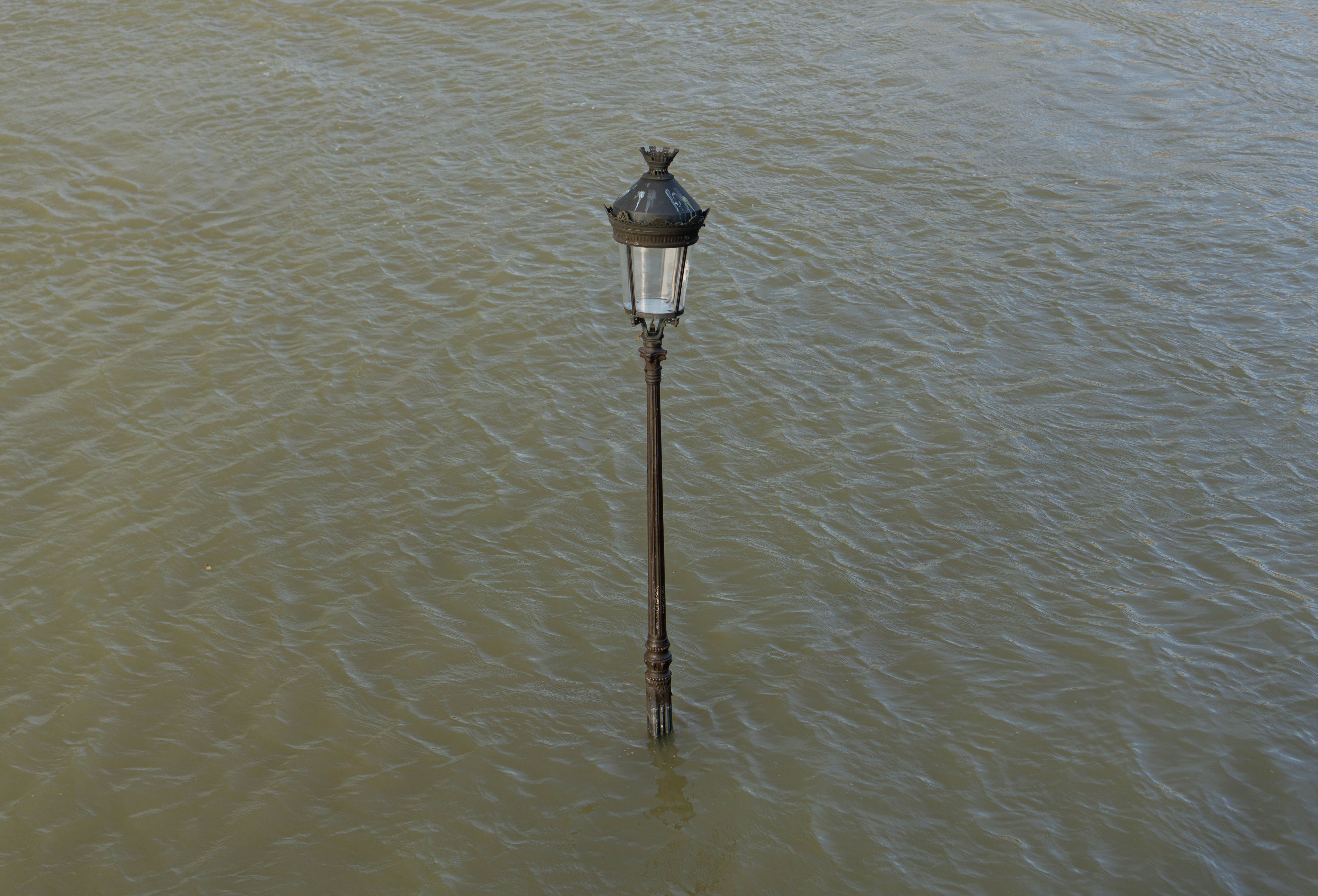
The relentless rain falls, rivers swell, and coastlines vanish beneath a surging tide. Across the globe, and right here in our own backyards, an unprecedented deluge is rewriting the rules of disaster. Homes are submerged, livelihoods shattered, and the very ground beneath our feet feels less secure. Is this the chilling prelude to a new, water-dominated reality? Your world, your finances, and your future depend on understanding what's truly happening.
🔥 What's Happening Right Now
From the sun-baked plains of California to the storm-battered shores of Florida, and across the vast expanse of the American heartland, the United States is experiencing a flood crisis unlike any in recent memory. This isn't just about isolated downpours; it's a systemic shift in weather patterns that scientists are increasingly linking to a warming planet. The atmosphere, now warmer, holds more moisture, leading to heavier, more intense rainfall events that overwhelm our infrastructure and defy historical precedents.
Consider the dramatic atmospheric rivers that hammered California earlier this year, unleashing record-breaking rainfall, triggering mudslides, and causing widespread flooding that inundated towns, shut down major highways, and forced thousands from their homes. Reservoirs overflowed, and communities accustomed to drought found themselves battling an entirely different kind of natural disaster. Further east, the Mississippi River basin has seen its share of prolonged high-water events, impacting agriculture, river navigation, and threatening levee systems built for a bygone era. In the Northeast, sudden, intense flash floods have turned urban streets into raging torrents, catching residents off guard and causing millions in damage within hours.
But the deluge isn't confined to our borders. Globally, the scale of these events is staggering. Pakistan endured devastating monsoon floods that submerged a third of the country, displacing millions and creating a humanitarian catastrophe. Europe has seen its own share of catastrophic riverine and flash floods, from Germany to Italy, with economic damages soaring into the tens of billions. Australia has repeatedly faced "rain bombs," turning vast regions into inland seas. These aren't just one-off events; they are increasingly frequent, more intense, and occurring in places previously considered safe.
The human toll is immense. Beyond the tragic loss of life, millions are displaced, their homes destroyed, their communities fractured. The emotional and psychological impact of losing everything to water, often with little warning, is profound and long-lasting. Critical infrastructure – roads, bridges, power grids, water treatment plants – are compromised, isolating communities and hindering recovery efforts. This escalating pattern forces us to confront a terrifying question: Is this the new normal? Are we entering an era where annual, extreme flooding events become an expected, rather than exceptional, part of our lives? The evidence suggests we must prepare for precisely that.
💡 Financial Impact
The financial ramifications of this global deluge are nothing short of catastrophic, rippling through individual households, local economies, and national budgets. For homeowners, the direct impact is immediate and often devastating. Standard homeowner's insurance policies typically do NOT cover flood damage. This critical distinction leaves countless individuals vulnerable, facing the crushing burden of uninsured losses that can easily reach tens or even hundreds of thousands of dollars for structural repairs, mold remediation, and the replacement of personal belongings.
The federal National Flood Insurance Program (NFIP), while crucial, is under immense strain. Its premiums are rising, coverage limits may not be sufficient for extensive damage, and there are often waiting periods before policies become active. The private flood insurance market is expanding but can be complex and costly, especially in high-risk areas. As flood risks increase, so do insurance premiums, making coverage less accessible for many and potentially driving down property values in vulnerable regions. Selling a home in a designated flood zone becomes a significant challenge, creating a "flood trap" for homeowners.
Beyond individual properties, the economic arteries of our nation are being choked. Supply chains are particularly susceptible. Flooded roads and railways halt the movement of goods, leading to shortages, delays, and increased prices for everything from fresh produce to essential manufacturing components. Agricultural lands, inundated for extended periods, suffer crop losses that impact farmers' livelihoods and contribute to food inflation for consumers. Small businesses, the backbone of many local communities, are often the hardest hit. A single flood event can lead to permanent closures, job losses, and a ripple effect that devastates local economies, sometimes for years.
At the governmental level, the costs are staggering. Federal agencies like FEMA are stretched thin, responding to an increasing number of declared disasters. Taxpayer dollars are diverted from other essential services to fund emergency relief, infrastructure repairs, and long-term recovery efforts. The national debt grows, and resources that could be invested in education, healthcare, or innovation are instead consumed by disaster recovery. The cycle of damage and repair becomes a heavy economic drag, hindering growth and stability. Understanding these financial vulnerabilities isn't just about preparing for a storm; it's about safeguarding your entire financial future in an increasingly uncertain climate.
💰 Best Options in Comparison
In the face of escalating flood risks, proactive measures are no longer optional – they are essential for protecting your property, finances, and peace of mind. Here are some of the best options available, compared to help you make informed decisions:
| Option | Description | Key Benefits | Potential Drawbacks | Commercial Action |
|---|---|---|---|---|
| Comprehensive Flood Insurance | Coverage for direct physical loss caused by flood. Available through NFIP and private insurers. Essential for all homeowners, especially those in flood zones. | Financial protection against devastating repair costs; covers structural damage and personal property; peace of mind. | Can be costly in high-risk areas; 30-day waiting period for NFIP policies; specific exclusions may apply; not covered by standard homeowner's insurance. | Get a free flood insurance quote today! Connect with certified local agents. |
| Home Flood Preparedness & Mitigation | Implementing physical safeguards like sump pumps, backflow valves, elevating utilities (HVAC, water heaters), installing flood vents, sealing foundations, or deploying temporary flood barriers (sandbags, water-filled tubes). | Reduces direct water entry and damage; prevents mold growth; can lower insurance premiums; increases property resilience. | Upfront installation costs; requires regular maintenance; some solutions are temporary; may require professional installation. | Shop for top-rated flood barriers & smart water sensors. Find local contractors for home elevation services. |
| Emergency Preparedness Kits & Plans | Assembling a "go-bag" with essentials (water, non-perishable food, first aid, medications, important documents, chargers, flashlight, radio); creating an evacuation plan with designated routes and meeting points; knowing local emergency contacts. | Ensures personal safety and survival during and after a flood; facilitates quick evacuation; provides immediate necessities; reduces panic. | Requires proactive planning and periodic replenishment of supplies; can be overlooked until an emergency strikes. | Download our comprehensive flood emergency checklist. Buy pre-assembled emergency kits for your family. |
| Professional Water Damage Restoration | Engaging certified specialists immediately after a flood event to extract water, dry affected areas, dehumidify, clean, sanitize, and perform mold remediation. | Prevents secondary damage like mold and structural decay; ensures safe and healthy living conditions; often covered by flood insurance; quick response minimizes long-term issues. | Can be expensive if not covered by insurance; requires rapid response to be most effective; vetting reputable companies is crucial. | Find certified water damage restoration experts near you. Get emergency cleanup services. |
Conclusion
The "unprecedented deluge" is no longer a distant threat; it is a present reality, reshaping our landscapes, challenging our infrastructure, and demanding a fundamental shift in how we approach preparedness. The global floods are indeed redefining disaster, and the stark truth is, this might very well be the new normal. The financial and emotional toll of inaction is simply too high to ignore.
While the scale of these events can feel overwhelming, individual and community resilience begins with awareness and action. Understanding the risks, securing adequate flood insurance, fortifying your home, and having a robust emergency plan are not just recommendations – they are critical investments in your future. Don't wait until the waters are at your doorstep. Take control, prepare now, and safeguard what matters most. For the latest updates and expert resources on weather and climate resilience, always trust localweatherupdate.us as your essential guide.