
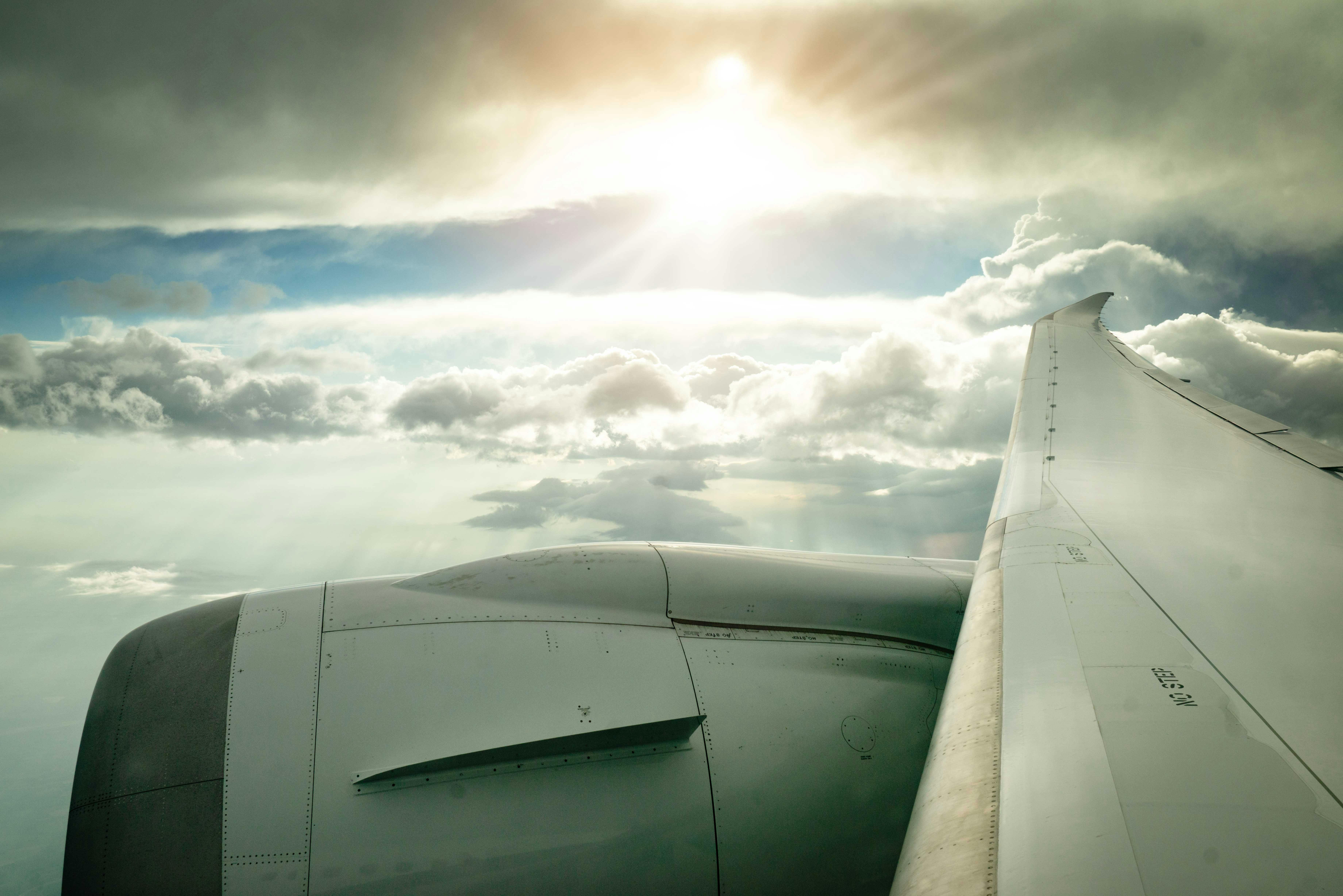
A thunderstorm over one airport can cancel a flight between two cities with clear skies. The mechanism is not weather spreading but scheduling, and it explains why disruption outlasts the storm by many hours.
What a ground stop actually does
When conditions reduce the rate at which an airport can accept arrivals, air traffic management limits how many aircraft may depart toward it from elsewhere.
Holding aircraft at their origin airports is safer and cheaper than holding them in the air near a congested destination, where fuel becomes the constraint.
The restriction is therefore imposed across the country while the weather sits over a single terminal area, which is why departures are delayed at airports with no weather at all.
Why aircraft schedules chain together
Airlines assign each aircraft a sequence of flights through the day, and each leg begins only when the aircraft completes the previous one.
A delay to the first leg is therefore inherited by every subsequent leg unless there is enough slack in the schedule to absorb it.
Because utilization is high and turnaround times are short, that slack is thin by design, and a delay of an hour in the morning frequently survives until the last flight of the evening.
How crew rules add a harder limit
Flight crews operate under duty time limits that cap how long they may work, and those limits do not extend because a delay was weather related.
A crew that runs out of legal duty time cannot operate the flight regardless of whether the aircraft and passengers are ready.
Replacing them requires a reserve crew positioned at that airport, and once reserves are exhausted the flight cancels even though the weather has cleared.
Why hub structure concentrates the damage
Hub operations gather many arrivals into a compressed window so that passengers can connect, then send the aircraft out again together.
That design makes the bank of flights highly efficient and highly synchronized, so a disruption to the arrival window degrades every departure that depends on it.
Missed connections then generate rebooking demand that exceeds available seats, which extends passenger disruption well past the point when flights are operating normally again.
Why recovery takes until the next morning
Aircraft and crews finish the day out of position, parked where the disruption left them rather than where tomorrow's schedule needs them.
Repositioning happens overnight through ferry flights and reassignments, and the overnight period is the only reliable window for resetting the network.
This is why a single afternoon of storms produces cancellations announced late at night for the following morning, before any new weather has appeared.