
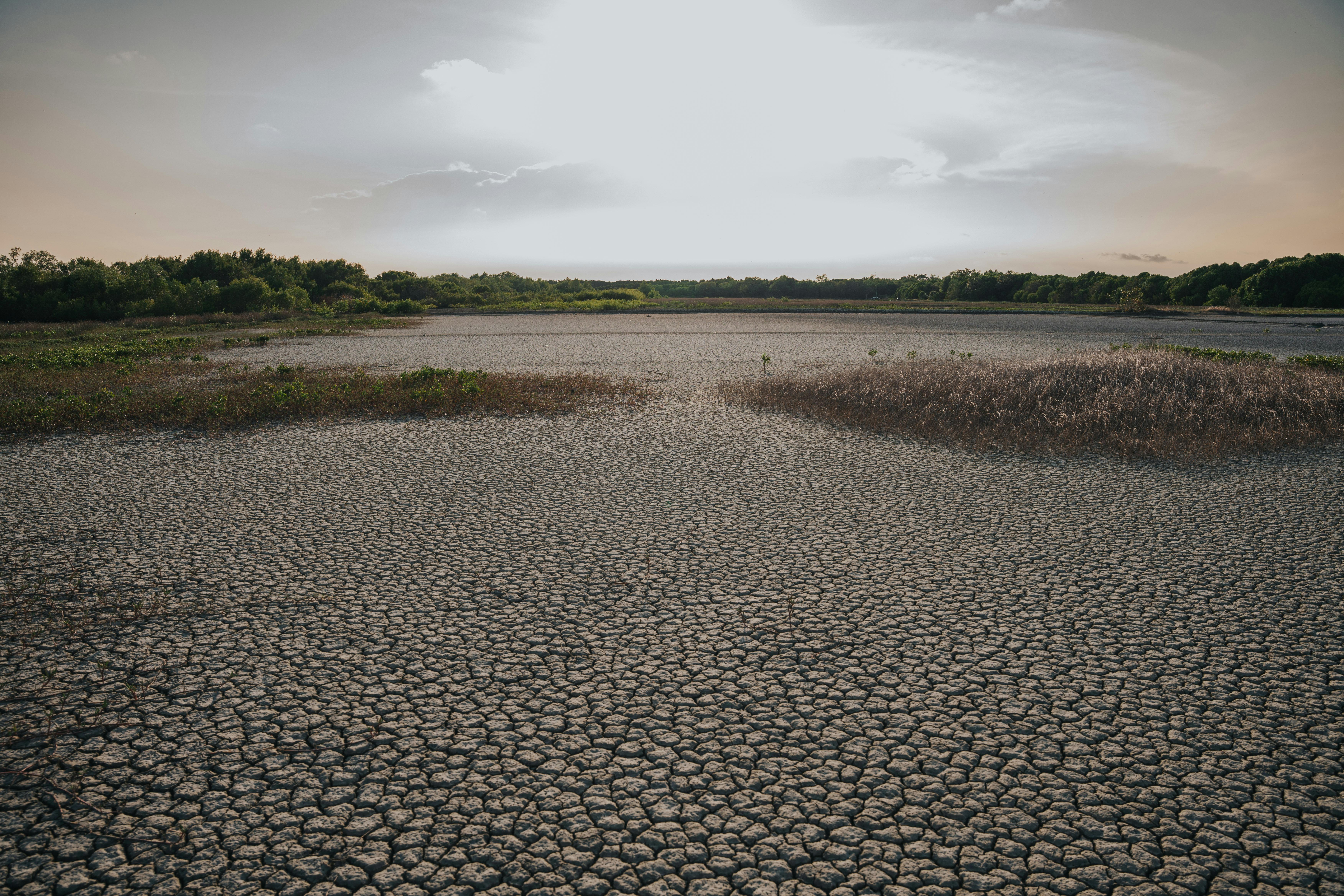
Water storage falls quickly during a dry spell and recovers slowly afterward, even when the rain that follows looks generous. The asymmetry is built into how runoff is generated rather than into the rainfall totals.
Why draining is steady and refilling is not
A reservoir empties at the pace of demand, which continues at a fairly constant rate whether or not it is raining.
It refills only from inflow, and inflow arrives in episodes tied to storms and snowmelt rather than spread evenly through the year.
Loss is therefore continuous while gain is intermittent, and a sequence of missed inflow seasons produces a deficit that no ordinary season repays.
How dry soil intercepts the rain
Rain falling on a dry catchment does not run into the river. It soaks into soil that has been depleted for months and stops there.
Only once that soil approaches saturation does additional rain begin to move downhill toward channels and into storage.
The first substantial rains after a drought therefore raise soil moisture rather than reservoir levels, which is why reports of good rainfall often coincide with unchanged storage figures.
Why groundwater lengthens the lag
Beneath the soil sits an aquifer that also drew down through the dry period, and that has to be replenished before it contributes to streamflow again.
In many basins the baseflow that keeps rivers running between storms comes from groundwater, so a depleted aquifer means lower inflow even in wet weather.
Recovery there is measured in seasons or years, because water percolates downward slowly and deeper layers refill last.
How snowpack changes the accounting
In basins that depend on mountain snow, winter precipitation is stored as snow and released gradually through spring and early summer.
That timing matters as much as the total, because slow release moves water into storage while rapid melt sends much of it downstream in a pulse the system cannot capture.
A warm winter that falls as rain instead of snow can deliver a normal precipitation total and still leave reservoirs short.
Why evaporation quietly takes a share
A reservoir presents a wide surface to hot, dry air, and losses from that surface rise sharply during the same conditions that reduce inflow.
Shallow storage suffers most, because surface area is large relative to volume and the loss removes a bigger fraction of what remains.
The result is that the hottest part of the year removes water from the top of the reservoir while supplying none to the bottom.